
Sciatica
-
The Hidden Danger: Why Physical Inactivity Threatens More Than Just Your Back
Throughout this series, we’ve emphasized movement as critical for sciatica prevention and management. But the importance of staying active extends far beyond avoiding back and leg pain. Physical inactivity is one of the greatest threats to quality of life, contributing to chronic disease, premature mortality, and diminished functional capacity. Understanding these broader consequences puts sciatica…
-
Nutrition for Nerve Health: How Diet Influences Sciatica and Overall Wellness
When dealing with sciatica, most people focus on physical treatments—chiropractic care, exercise, stretching. These are critical, but there’s another powerful tool that’s often overlooked: nutrition. What you eat directly influences inflammation, nerve health, tissue healing, and overall pain levels. Poor nutrition can perpetuate sciatic symptoms and increase recurrence risk, while anti-inflammatory eating supports recovery and…
-
Movement Is Medicine: Why Exercise Is Essential for Sciatica Prevention and Recovery
When sciatica strikes, the natural instinct is to rest, avoid movement, and wait for pain to subside. This approach feels logical—movement hurts, so stopping movement should help. But research and clinical experience tell a different story. Movement isn’t just safe during sciatica recovery—it’s essential. And perhaps more importantly, regular physical activity, flexibility work, and strength…
-
Understanding Sciatica: What It Is and What It Isn’t
Sharp pain shooting down your leg. Numbness in your foot. Tingling that won’t go away. Someone tells you it’s sciatica, and suddenly you’re worried about disability, surgery, or chronic pain. But here’s the truth: sciatica is a symptom, not a life sentence. Understanding what sciatica actually is—and what causes it—is the first step toward effective…
-

How to Prevent Sciatica Pain
It’s easy to understand how lifting a heavy object at work could injure your back, pinch a nerve, and cause sciatica. But, surprisingly, research has shown that too much sitting may be the worst thing you could do for your back. When you spend hours per day sitting down, the muscles that support your low…
-
The Top Causes of Sciatica Revealed
Sciatica is pain caused by the irritation or compression of nerves in your lower back. When a nerve is compressed or irritated by a spinal disc, bone spur, or ligament overgrowth, it can become inflamed and painful. This can occur due to age, the stress of gravity on your skeletal system, or injuries to your…
-
What You Need to Know About Sciatica
Sciatica is leg pain, numbness, or tingling that originates in your low back. And wow, can it hurt! The sciatic nerve is the largest nerve in the body. It is made up of individual branches or nerve roots in your lower back that combine to form the sciatic nerve, which then travels down into your…
-
What is Sciatica?
Nearly everyone will have back pain at some point in life, but with sciatica, you’ll know something is different immediately. Pain that begins in your back, travels down to your buttocks, and shoots down your leg is a classic sign of sciatica. The shooting pain down your leg is caused by compression on nerves exiting…
-

How to Prevent Sciatica Pain
Bottom Line: As we discuss how to prevent sciatica pain with our sciatica patients, we often notice that many of them will make the comment that they don’t know how they hurt their back when they start receiving treatment. And that’s a completely logical statement to make. It’s easy to understand how lifting a heavy…
-

The Top Causes of Sciatica Revealed
Bottom Line: Here’s something that might surprise you as you dive into the top causes of sciatica. Sciatica is not a condition, disorder, or diagnosis in and of itself. Sciatica pain can be described as dull, achy, sharp, or shooting pain in the lower back and hip, buttock, and leg on one side of the…
-

What You Need to Know About Sciatica
Bottom Line: Let’s dive right into what you need to know about sciatica. To understand what sciatica is, it helps to think of sciatica more as a set of symptoms than a condition. When you hear someone say they “have sciatica,” what they have is pain, numbness, or tingling that starts in their low back…
-
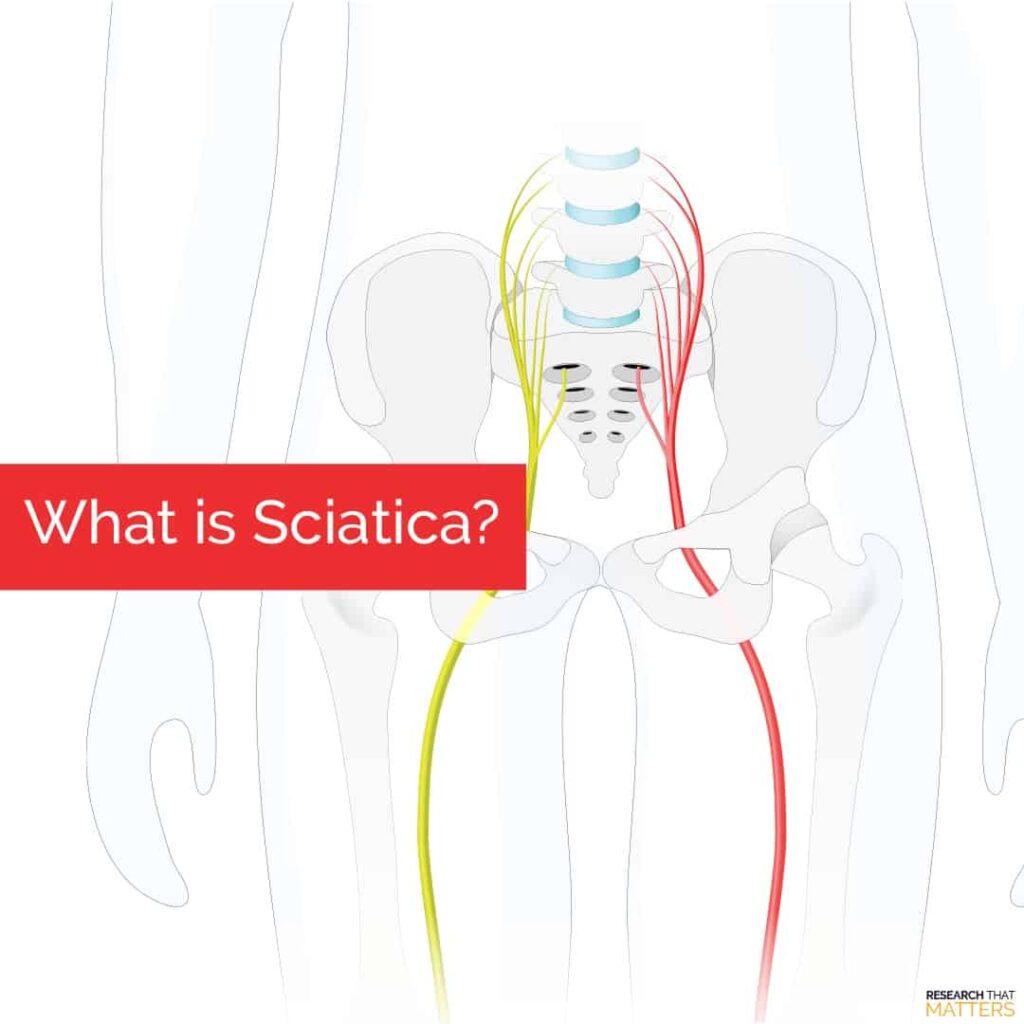
Sciatica and Movement Based Care
Bottom Line: Nearly everyone will have back pain at some point in their life, but with sciatica — well, you’ll know something is different right away! So, what is sciatica? What is sciatica pain like? Sciatica really describes a set of symptoms rather than a condition. The most common symptom can be described as pain…